“washing treatment” search results (2000)

Coffee refined method Coffee Raw Soybean Honey treatment Coffee novice is suitable for QQ
1.3 semi-washing, also known as honey treatment, is a compromise between drying and washing, eliminating the need for water-washing to ferment coffee fruits. Harvesting tank (removal of impurities and impurities) pulp removal machine (removal of pulp and impurities) washing pool (selection of light and hard beans) sun field (or dryer) shelling machine (removal of endocarp)
2016-06-06 Coffee preparation raw beans processing novice suitable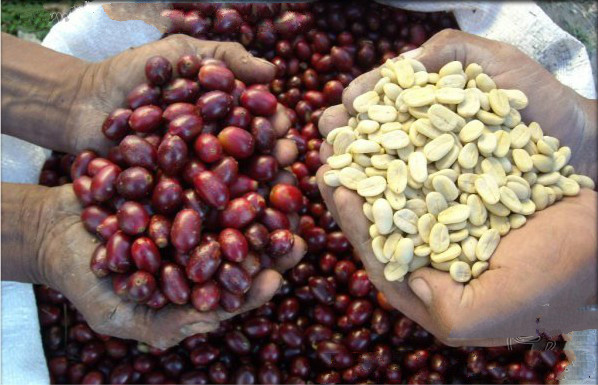
African Coffee Ethiopia sidamo Sidamo G2 Grade Water washing processed Fine Coffee cooked beans
Sidamo Washed G2 countries: Ethiopia Grade: G2 production areas: Sidamo production areas treatment: washed varieties: Heirloom Flavor: wild Ginger Flower, Honey, Citrus, Lemon there are still a large number of wild Arabica coffee trees growing in many parts of Ethiopia, with an average of 4200-6800 feet above sea level.
2016-03-26 Africa Coffee Ethiopia sidamo Dharma Grade washing treatment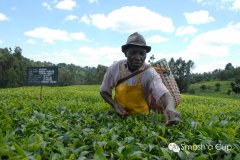
About the treatment method: W2, H2, N2, traditional raw bean treatment, Ninety Plus.
Ninety Plus thought that coffee itself is a kind of fruit, so he made his own exclusive treatment according to taste (W2), (H2), and (N2). When you understand traditional coffee processing, you will find that a small amount of adjustment can blur the distinction between them. For example, a little water washing can be added at different stages of the densification process to achieve a lighter and brighter washing taste; after controlling the fruit
2016-07-07 About treatment way tradition raw beans Ninety Plus Nin
How should raw bean coffee be handled? how should raw bean coffee be stored?
Water washing (washing, washing out a clean sour taste) in the mid-18th century, the Dutch invented water washing treatment, which was widely favored. The methods are as follows: 1. Harvest coffee fruit. 2. Throw the fruit into the pool and eliminate the floating ones. 3. Throw the sunken fruit into the machine and beat off the skin and flesh. 4. Throw it into the sink and ferment for 16-36 hours to remove pectin. 5. Wash and dry.
2016-05-24 Raw beans coffee should how to handle coffee beans how to store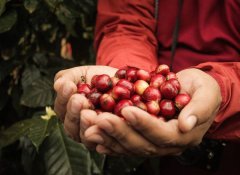
Sun-treated fine coffee
Coffee beans are processed in the following ways: sun (Natural); semi-sun (Semi-Natural or Pulped-Natural); honey processing (Honey processing) and washing (Washing). Water washing treatment means that immature and immature coffee fruits are screened out in a special way after harvesting.
2016-06-02 Sunlight treatment boutique coffee coffee beans way divided into the following several
What is the honey treatment of coffee? what are the characteristics of coffee beans treated with honey? what is the reason for coffee leucorrhea?
1. Natural solarization (Natural/Dried-in-the-Fruit): the process of this method is the simplest. The fruit begins the process of sun drying without treatment after picking. This is the oldest method of treatment in existence. This method is still used in places such as Ethiopia and Brazil. Natural solarization is most common in areas where water resources are scarce. The process of drying is usually
2016-10-18 Coffee white honey treatment what is it coffee beans characteristics coffee color leucorrhea reasons
Treatment of nutty coffee and red wine-how many treatments are there for coffee
Sasa described in the competition: select Rume Sudan from Las Nubes, Colombia, put the coffee fruit in a sealed metal container for anaerobic fermentation, and purposefully control the pH value of the fermentation process, the type and number of bacteria involved in the fermentation and other variables. The processor injects carbon dioxide into the container to prevent oxidation from producing volatile acid.
2016-10-17 Fruity coffee red wine handling how much
Wet treatment is also called water washing and fermentation.
Wet treatment (lavado), also known as water washing fermentation. After the coffee fruit is transported to the coffee processing plant, the peel and flesh of the coffee are removed together with the peeling machine (despulpadora). The coffee beans are still wrapped in a parchment shell, while the parchment shell is covered with a layer of sticky and sweet pectin. Set
2016-05-23 Treatment also known as washing fermentation treatment lavado hair
Introduction to the treatment of raw beans-- what is the washing method? How to deal with raw coffee beans
Water washing-increase fruit acid spirit: water washing is the most popular treatment method at present, and water washing is used in almost all Central and South America except Brazil. The color of the washed beans is blue and green, the appearance of the beans is neat and the pulse is good, and the coffee quality is the highest. Generally speaking, the sour flavor and bright feeling of washed beans are better, and the flavor is clean and free of miscellaneous flavor, which is the most commonly used method for the treatment of fine coffee.
2016-03-30 Raw beans treatment method introduction washing what how coffee
Country: water washing treatment variety Heirloom in G2 Sidamo, Ethiopia
Today, there are still a large number of wild Arabica coffee trees growing in many parts of Ethiopia, averaging between 4200 and 6800 feet above sea level. Now there is a trend of small cultivation, generally planting banana trees for shade at the same time, but due to lack of agricultural technology, herbicides and pesticides are less used. Coffee is Ethiopia's main economic crop and the largest in the country.
2016-06-20 Country Ethiopia Dharma producing area washing treatment Variety Heirlo
Introduction of coffee treatment method introduction of coffee tanning method and washing method
Pulped-natural, also known as honey treatment (Miel Process in Spanish), is said to refer to the process of making raw beans that are sun-dried with mucous membranes. The honey treatment process is vulnerable to pollution and mildew, so it needs to be closely watched throughout the process, constantly turning, and speeding up drying, so as to avoid bad fermentation flavor. Its advantage is that it can best preserve the original sweetness of the ripe fruit of coffee.
2016-07-11 Coffee treatment method introduction tanning washing
Introduction to the treatment of water-washed honey of coffee beans with fruit pulp in the sun
There are two methods for selecting defective coffee beans: manual selection and mechanical selection. Manual selection is an assembly line, in which several workers sit on a transmission belt about 1 meter wide to pick out defective beans, and some strict farms will manually select them many times until no defective beans are seen. The rule of mechanical selection is to identify by computer, and to remove defective beans and grade them is to divide coffee beans into different categories according to the standard.
2016-10-19 Coffee beans with fruit solarization washing treatment introduction
The treatment methods of raw beans should be analyzed.
1. Natural solarization (Natural/Dried-in-the-Fruit): the process of this method is the simplest. The fruit begins the process of sun drying without treatment after picking. This is the oldest method of treatment in existence. This method is still used in places such as Ethiopia and Brazil. Natural solarization is most common in areas where water resources are scarce. The process of drying is usually
2016-06-06 Raw beans treatment methods should Analysis Natural Solar
How much is the Rwandan coffee bean per jin? Washing treatment bourbon at Muxiui treatment Plant in the western province of Rwanda
Mushonyi processing plant has an amazing award record. In addition to winning the COE Excellence Cup in 2010, it won the championship, 12th, 16th and 28th in four batches in 2011 alone!
2016-04-08 Rwanda coffee beans less money one jin western province Muxiu treatment plant washing treatment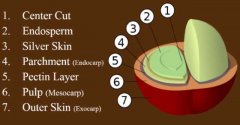
What are the processing methods of fine coffee common sense coffee raw beans?
After picking, coffee fruits need to go through a series of processes before they can become what we call coffee raw beans. This series of processes are often referred to as the handling of raw coffee beans or the rough processing of raw coffee beans in the industry. Before we talk about the classification of specific treatment methods, let's take a look at the structure of coffee fruits and raw coffee beans. Coffee fruit from outside to inside is: pericarp (exocarp)
2015-01-08 Boutique coffee common sense raw beans which processing methods picking need
Two methods for the treatment of coffee beans
There are two methods of treatment: "solarization" and "washing", which will cause different flavors.
2014-06-13 Coffee knowledge coffee bean treatment coffee encyclopedia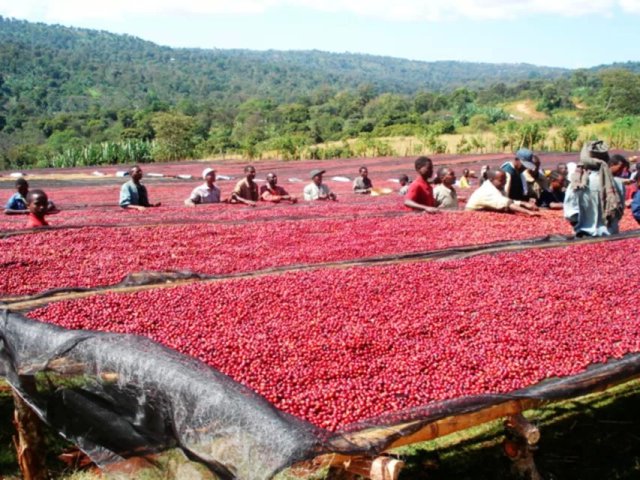
Treatment and cleaning of native coffee raw beans and roasted beans (sun, honey treatment) coffee beans
Tanning is a traditional method for the initial processing of coffee beans, and at present, almost all coffee-growing countries such as Ethiopia and Yemen still use solarization to treat raw beans. Sun treatment will first identify sunken beans in the sink, that is, ripe or half-ripe beans are spread in the drying farm for natural drying. The specific time depends on the local climatic conditions, which usually takes two to four weeks.
2016-04-25 Native coffee raw beans roasting solarization processing coffee beans cleaning tradition
Raw bean treatment of coffee washed with water, semi-washed, insolated and honey
The first is dry treatment (secado), also known as natural all-day exposure (natural). After the coffee fruit is actually picked, it is dried directly in the sun. According to the weather conditions, it is generally necessary to dry the coffee beans for 2 weeks to reduce the water content of the coffee beans to 10%, 12%, and then use a machine to remove the dried peel and pulp. The raw bean processing plant (beneficio) usually retains the sheepskin on the outside of the coffee beans when the raw beans are stored.
2015-11-04 Coffee washing tanning processing raw beans a kind of treatment secado also known as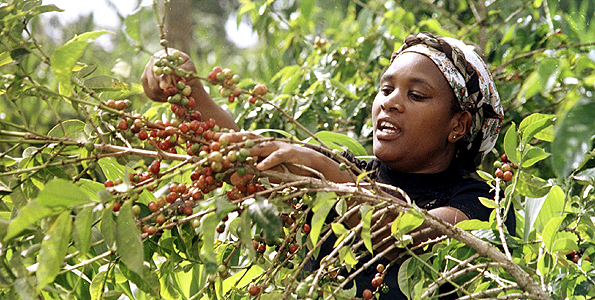
African Coffee Manor Musiui treatment Plant in the western province of Rwanda washing and treating bourbon boutique black coffee
Like many African countries, Rwandan coffee is mainly produced by small farmers, and the ripe cherry fruits are collected and sent to the processing station every year during the harvest period. During the annual harvest period, the ripe coffee berries picked by farmers are concentrated in the treatment station for treatment, first selected by hand to ensure that no immature or damaged fruit is mixed in. Then remove the peel in a cool, cold ring
2016-03-28 Africa Coffee Manor Rwanda Western Province Muxiu treatment Plant washing treatment
Bourbon species for washing treatment at Muxiuyi treatment Plant in the western province of Wanda
Mushonyi processing plant has an amazing award record. In addition to winning the COE Excellence Cup in 2010, it won the championship, 12th, 16th and 28th in four batches in 2011 alone!
2016-05-03 Wanda Western Province Muxiu treatment Plant Water washing treatment bourbon seed